The Philosophy of Nezen
Since introducing Iwata’s newly launched line, Nezen, we’ve spoken often about the bedding itself, the futon system, the camel hair mattress pads, the duvets, pillows, and sheets that make up the collection. But after spending time with Iwata’s current president and Nezen founder, Arichika Iwata, it became clear that the collection is rooted in something much broader than bedding alone.
Inspired by teachings developed by the Zen monk Hakuin Ekaku after experiencing exhaustion during his own training, Nezen approaches rest not as something that begins when we fall asleep, but as a gradual process of preparing the mind and body for sleep. Rather than adding more, the collection often asks what can be removed. Less processing. Fewer distractions. More awareness of material, atmosphere, and routine. The approach feels holistic, considering not only comfort, but how the body, mind, and surrounding environment gradually move toward rest together.

This thinking carries directly into the materials themselves. Cotton, linen, down, and camel hair are left as close as possible to their original state through minimal bleaching and treatment. Nothing is added to artificially soften or alter their behavior. The comfort comes from allowing the materials to do what they naturally do well. Linen releases heat and moisture. Camel hair adapts remarkably to changes in temperature and humidity. The bedding feels breathable, dry, and stable rather than overly engineered or excessive.

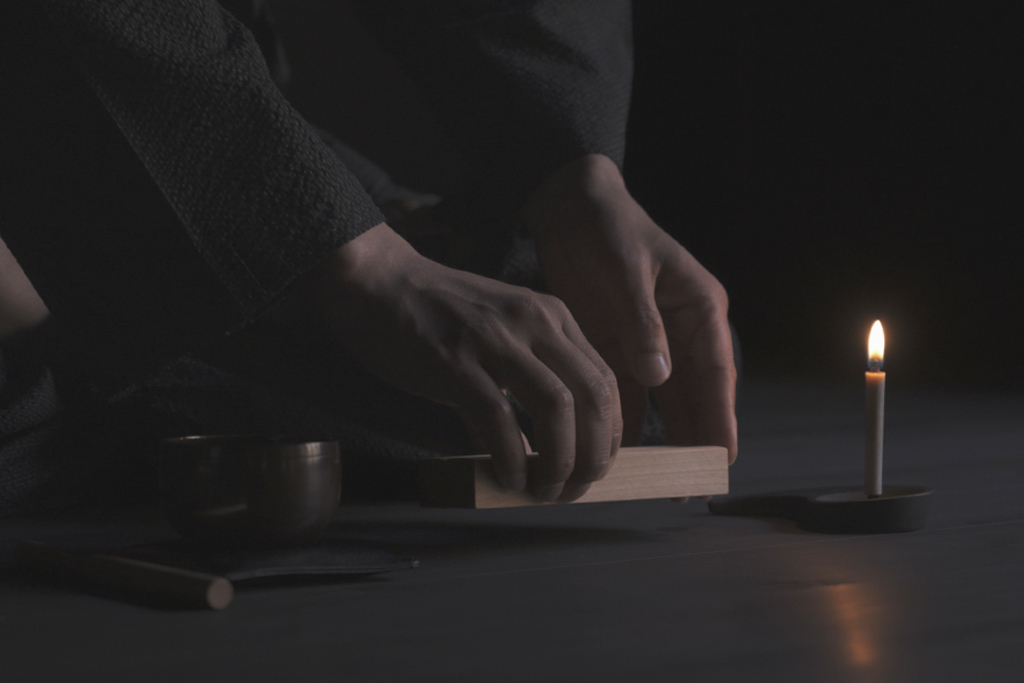
In developing Nezen, Arichika Iwata also worked closely with Tosei Shinabe, a contemporary Zen monk and spiritual guide who consulted on many of the collection’s more meditative elements, particularly the Nezen Box Set. Together, they considered the role of sound, scent, flame, and ritual within the transition into sleep and stillness.


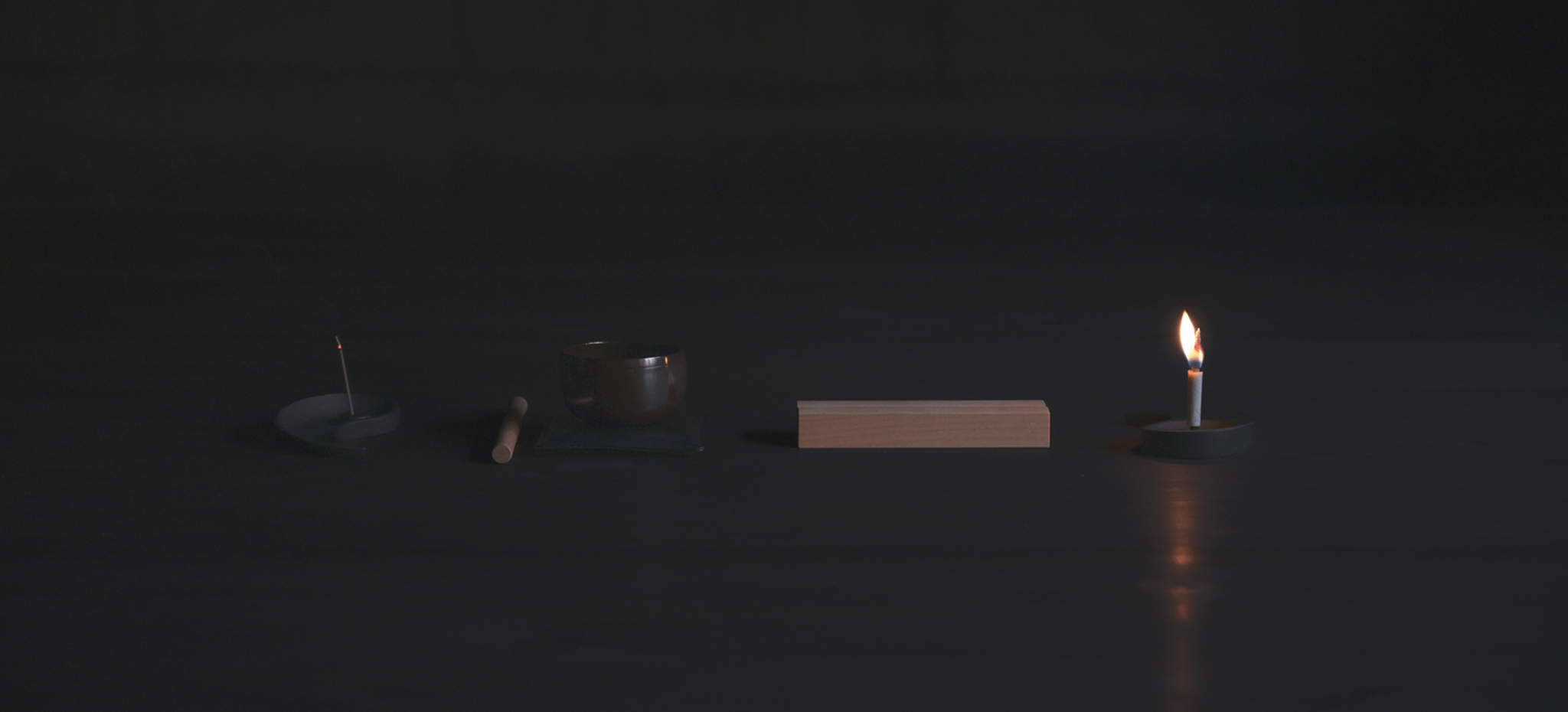
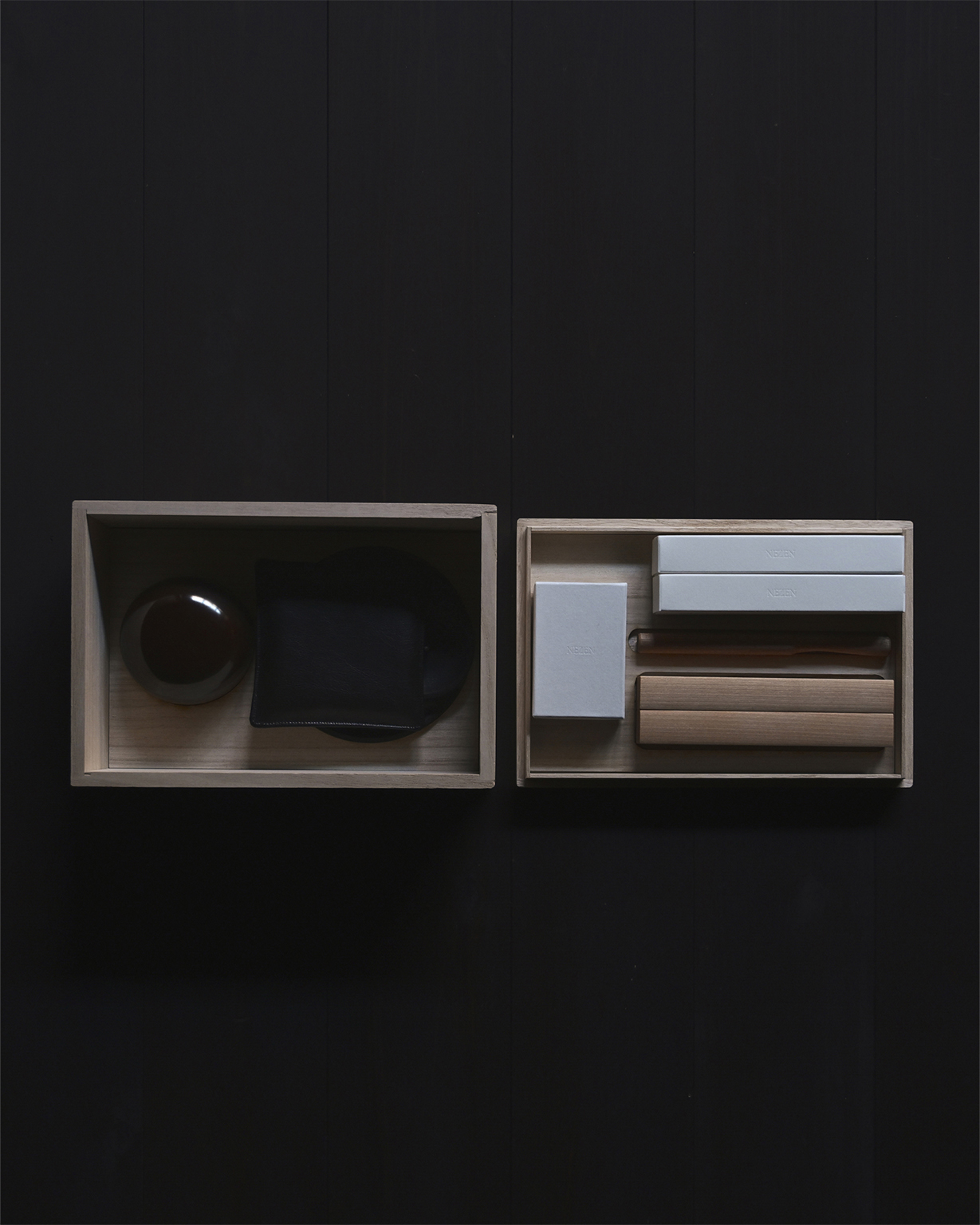
The objects within the box set reflect this clearly. The lingering resonance of the Orin Singing Bowl. The dry strike of the Taku Meditation Clappers. Natural incense made without synthetic fragrance or dyes. Sumac candles whose softer flames act almost as markers of time itself. None of the objects feel overly ceremonial or strict in their use. They are simply tools that help create the conditions for the mind and body to slow down.

There was also something surprisingly practical in the way Iwata spoke about sleep. It was discussed less as escape, and more as the gradual removal of friction, physically and mentally. Regulating temperature and humidity. Reducing sensory noise. Creating small rituals that help signal rest.

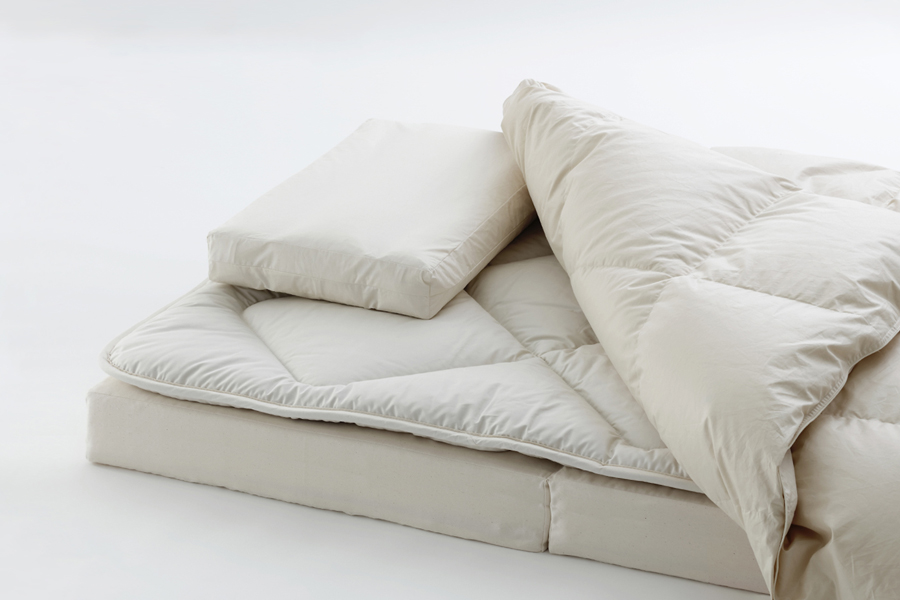
Even the futon system itself reflects this way of thinking. Unlike a permanent bed frame that dominates a room, the futon can be folded away, allowing spaces to shift and change throughout the day. Sleep becomes integrated into living rather than separated from it.
Perhaps that is what stayed with us most after the exhibition and our conversations with Iwata. Nezen is not really about achieving perfect sleep. It is about creating better conditions for rest through simplicity, awareness, and a closer relationship to the environment around us.
With that, we’ll leave you with this incredibly peaceful video of Tosei Shinabe meditating with the objects of the Nezen Box Set.
For those interested in learning more, below is Iwata’s guide to the evening practice of Nezen, adapted into English by Nalata Nalata.
The Evening Practice
The evening practice is not intended to force sleep, but to gradually prepare the mind and body for rest. Through a series of small rituals, attention shifts away from the activity of the day and toward stillness.
1. Open the Box
Begin by opening the paulownia wood box and arranging the Nezen objects in a quiet space. If you wish, place your phone inside the box as well, allowing yourself to step away from the digital world for a while.
2. Light the Candle
Dim the room and light the Warousoku candle. Watch the gentle movement of the flame for a few moments. Its approximately twenty-minute burn time offers a natural pause before bed.
3. Sound
Strike the Taku once, allowing its clear wooden tone to mark the transition into the evening.
Next, gently strike the side of the Orin four times with the wooden striker. As the resonance gradually fades, allow the silence that follows to settle naturally.
4. Incense
Light a stick of natural incense and simply notice its fragrance as it fills the room. The burn time may be shortened by gently breaking the incense before lighting.
5. Prepare for Bed
Once the candle and incense have safely burned down, prepare your bedding and settle into bed, carrying the lingering atmosphere of the ritual with you.
Practice (Susokukan)
Once in bed, lie comfortably and simply observe your natural breathing.
As you exhale, silently count each breath from one to ten. Upon reaching ten, begin again from one. If your mind wanders or you lose count, gently return to one without judgment.
Continue until your breathing settles or sleep arrives naturally.
Morning
In the morning, fold away your bedding or futon before beginning the day.
Then reverse the evening sounds: first sound the Orin once, then strike the Taku once. The morning practice gently marks the transition from rest into activity.
Remember, the practice is not meant to become another routine to perfect. Whether you begin with the candle, a single strike of the Orin, or simply a few quiet breaths, allow it to become part of your own rhythm, naturally and without strain.

May 25, 2026
View the Collection

Nezen Box Set
Nezen for IwataI am a Nezen Box Set. I gather some things that slow the night down. Sound, scent, and flame, in one place. Set aside for the moments before sleep or meditation, so all that’s left is calm.
$950 USD
Futon Bundle
Nezen for IwataI am a Futon Bundle. Everything stacked neatly together, just as it should be. Fold me away in the morning or leave me be, but either way, bundle up, sleep tight, repeat.
Starting at $2,500 USD
Pillow - Down and Feather
Nezen for IwataI am a Down & Feather Pillow. I feel familiar. With my three layers, I'm soft, full, and made to hold my shape, just enough to let your rest take flight.
$340 USD
Unbleached Linen Sheets
Nezen for IwataI am Unbleached Linen Sheets. I begin crisp and get better from there. Dry, breathable, cool to the touch, and made for warmer nights.
Starting at $70 USD
Cotton Sheets
IwataI am Cotton Sheets. I stay crisp. Smooth, cool, and hard to beat fresh out of the wash.
Starting at $55 USD
Knee Pillow
Nezen for IwataI am a Knee Pillow. I go where support is needed. Between the knees, under the legs, behind the back... I fill the gaps you only notice once they’re gone.
Starting at $75 USD
Cotton Sheet Set
IwataI am a Cotton Sheet Set. Freshly made, neatly bundled, and suspiciously good at convincing you to stay in bed longer.
Starting at $345 USD
Unbleached Linen Sheet Set
Nezen for IwataI am an Unbleached Linen Sheet Set. All bundled together and ready for bed. A little wrinkled, a little airy, exactly how linen should be.
Starting at $475 USD
Pillow - Camel Hair
Nezen for IwataI am a Camel Hair Pillow. Desert-tested, but made for sleep. Layered so you can keep it just how you like it.
$225 USD
Unbleached Duvet - Light
Nezen for IwataI am an Unbleached Light Duvet. A thin layer, easy to keep. Enough most nights, and stored away with the wind when you don’t need me.
Starting at $525 USD
Unbleached Duvet - Medium
Nezen for IwataI am an Unbleached Medium Duvet. I stay on the bed. Through most of the year, I tend to be the one that works.
Starting at $725 USD
Unbleached Duvet - Heavy
Nezen for IwataI am an Unbleached Heavy Duvet. I hold more. Full, soft, and the one you notice when you get in.
Starting at $850 USD
Duvet Cover - Cotton
IwataI am Cotton Duvet Cover. Fresh sheets energy, but for the whole duvet. Crisp at first, softer every night after.
Starting at $180 USD
Duvet Cover - Unbleached Linen
Nezen for IwataI am Unbleached Linen Duvet Cover. I am an Unbleached Linen Duvet Cover. A little less polished, a little more slept in, just how linen tends to get better.
Starting at $280 USD
Camel Hair Mattress Pad
Nezen for IwataI am Camel Hair Mattress Pad. I come from what the desert lets go. Filled with naturally shed camel hair, I hold warmth, release what I don’t need, and settle the body through the night.
Starting at $1,100 USD
Futon Floor Pad
Nezen for IwataI am a Futon Floor Pad. I sit closest to the ground. Made slightly thicker, so I can handle the floors we live on and form the foundation of your sleep.
Starting at $1,750 USDRelated Entries
Nezen | Exhibition Recap
Since introducing Iwata’s newly launched line, Nezen, we’ve spoken often about the bedding itself, the futon system, the camel hair mattress pads, the duvets, pillows, and sheets that make up the collection. But after spending time with Iwata’s current president and Nezen founder, Arichika Iwata, it became clear that the collection is rooted in something much broader than bedding alone…
Elements of the Japanese Futon
Since introducing Iwata’s newly launched line, Nezen, we’ve spoken often about the bedding itself, the futon system, the camel hair mattress pads, the duvets, pillows, and sheets that make up the collection. But after spending time with Iwata’s current president and Nezen founder, Arichika Iwata, it became clear that the collection is rooted in something much broader than bedding alone…

Corners of Our Home: Kitchen Shelf
Since introducing Iwata’s newly launched line, Nezen, we’ve spoken often about the bedding itself, the futon system, the camel hair mattress pads, the duvets, pillows, and sheets that make up the collection. But after spending time with Iwata’s current president and Nezen founder, Arichika Iwata, it became clear that the collection is rooted in something much broader than bedding alone…