Elements of the Japanese Futon
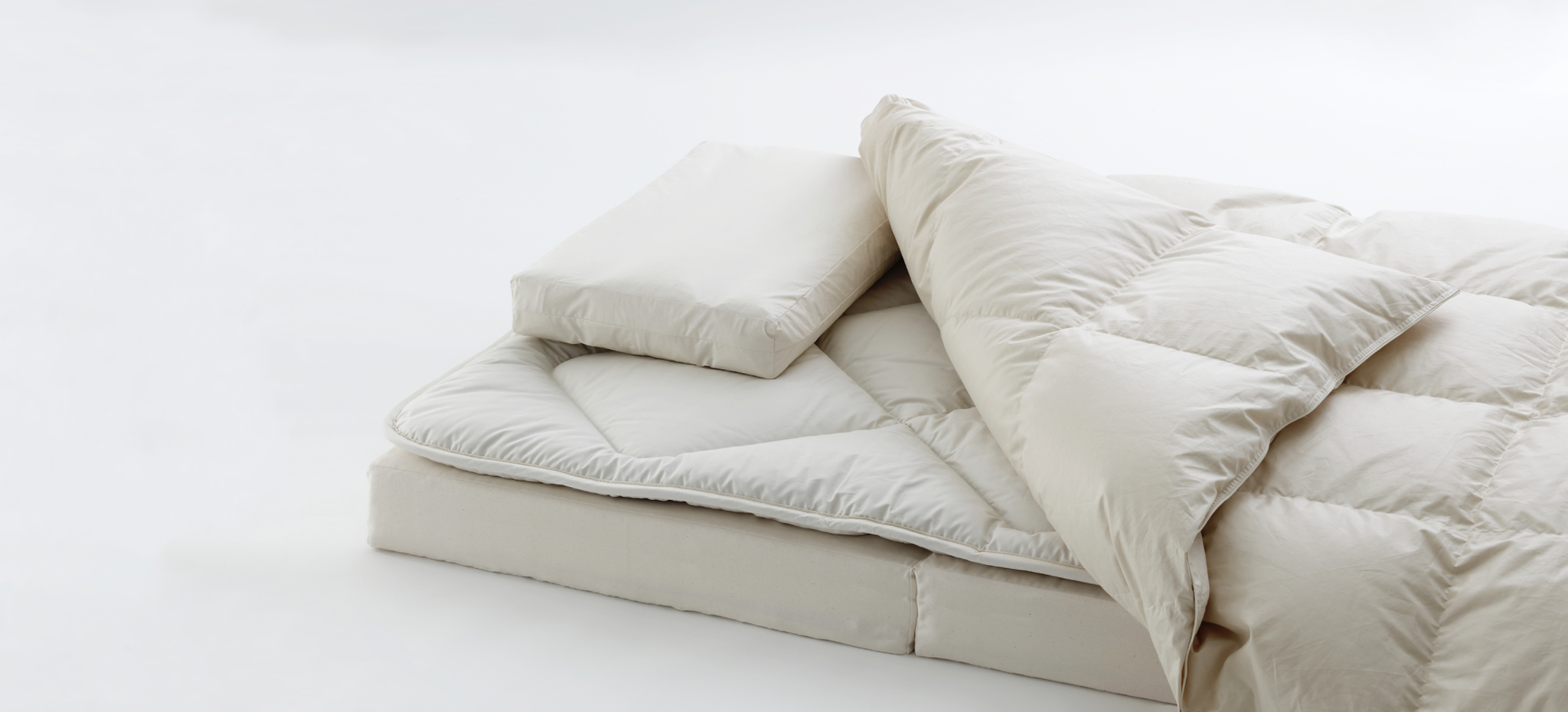
The way we’ve set up our bed at home shifted after our second child. We found ourselves wanting to be closer to the ground during those early days. Something easier to adapt with, where getting in and out didn’t feel fixed, and where the kids could come and go freely. We also wanted a setup that could move with the rhythms of the home, whether guests were visiting or the kids wanted sleepovers.
We began using a futon setup from Iwata directly on our wood floors, and it’s stayed that way since. Alongside the exhibition, we wanted to share a bit more context around Iwata and their newly launched collection, Nezen.

Iwata has been manufacturing futons, bedding and accessories in Kyoto for generations, with respect for material, science, and how the body responds to both. What we admire most is that the materials are not chosen for appearance or trend, but for how they actually perform over time and how they feel against the body. One of the clearest examples of this is their use of camel hair.
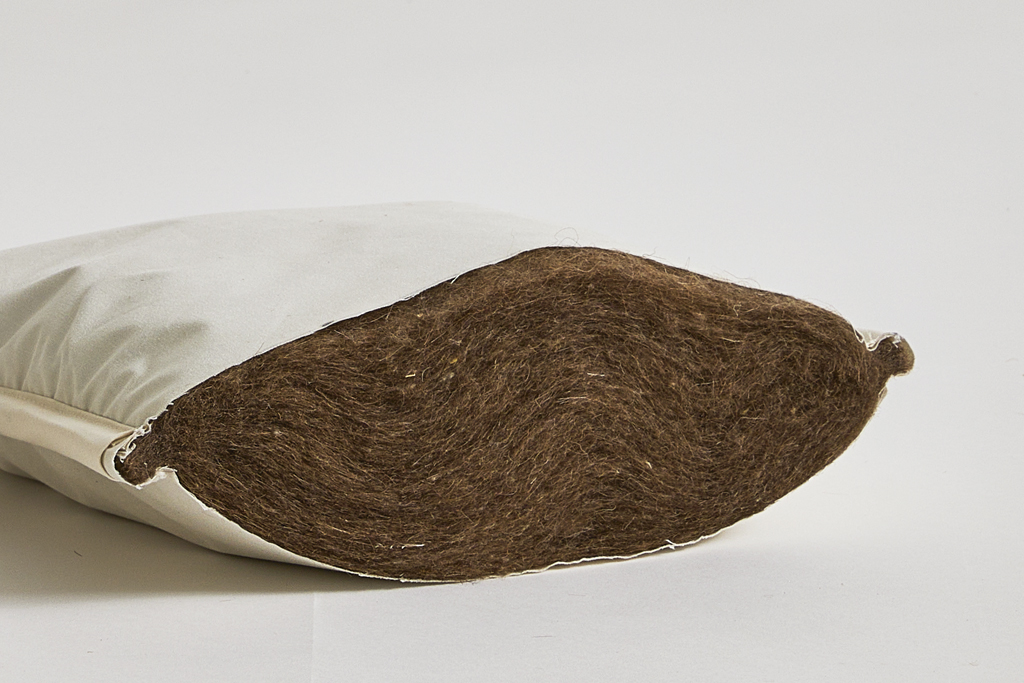
What we love about camel hair is that it is collected during the animal’s natural shedding season, rather than through shearing. This makes it a rare example of an animal fiber that is both humane and renewable. It is also particularly well suited for bedding. It is breathable, regulates temperature, holds warmth without trapping heat, stays dry against the body, and adjusts well to changes in temperature and humidity. Sleeping on it feels stable and closer to a more natural way of resting.
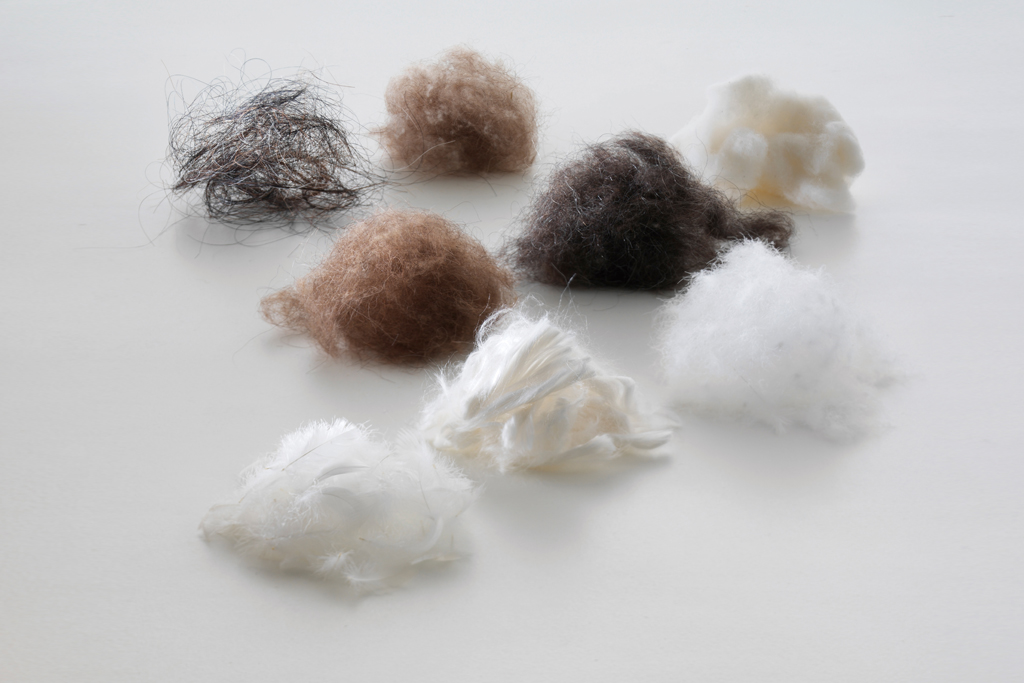
This material-first thinking carries directly into Nezen, which focuses on unbleached materials and minimal processing so the fibers remain closer to their original state – a concept rooted in Zen philosophy. Nothing is added to artificially soften or alter the material. Instead, the bedding relies on the natural qualities of cotton, linen, and down to feel comfortable against the skin and body. The result is a bedding system that feels more direct, where what you are sleeping on is closer to what the material actually is. We also love the creamy white and neutral tones of the unbleached cotton and linens they use.
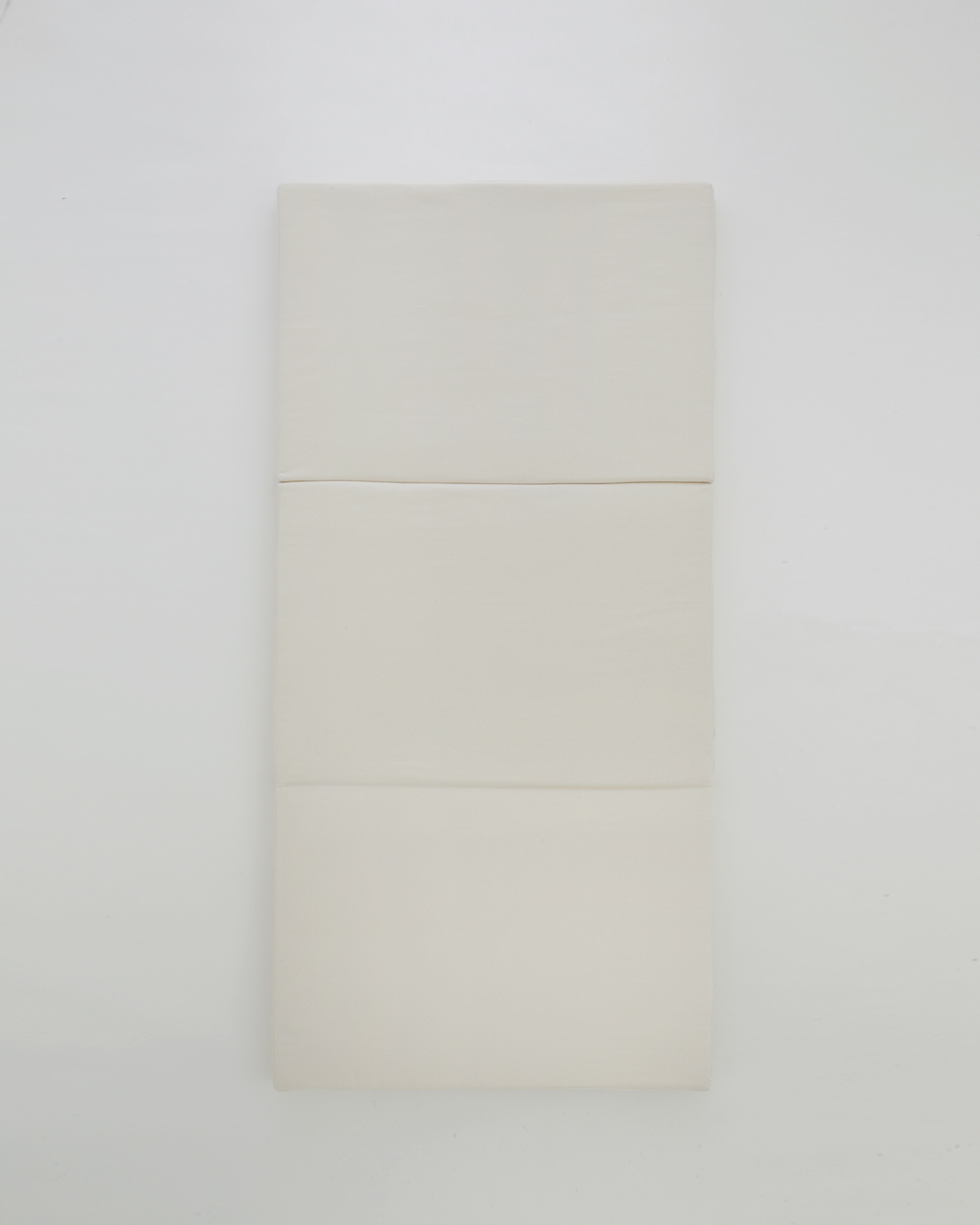
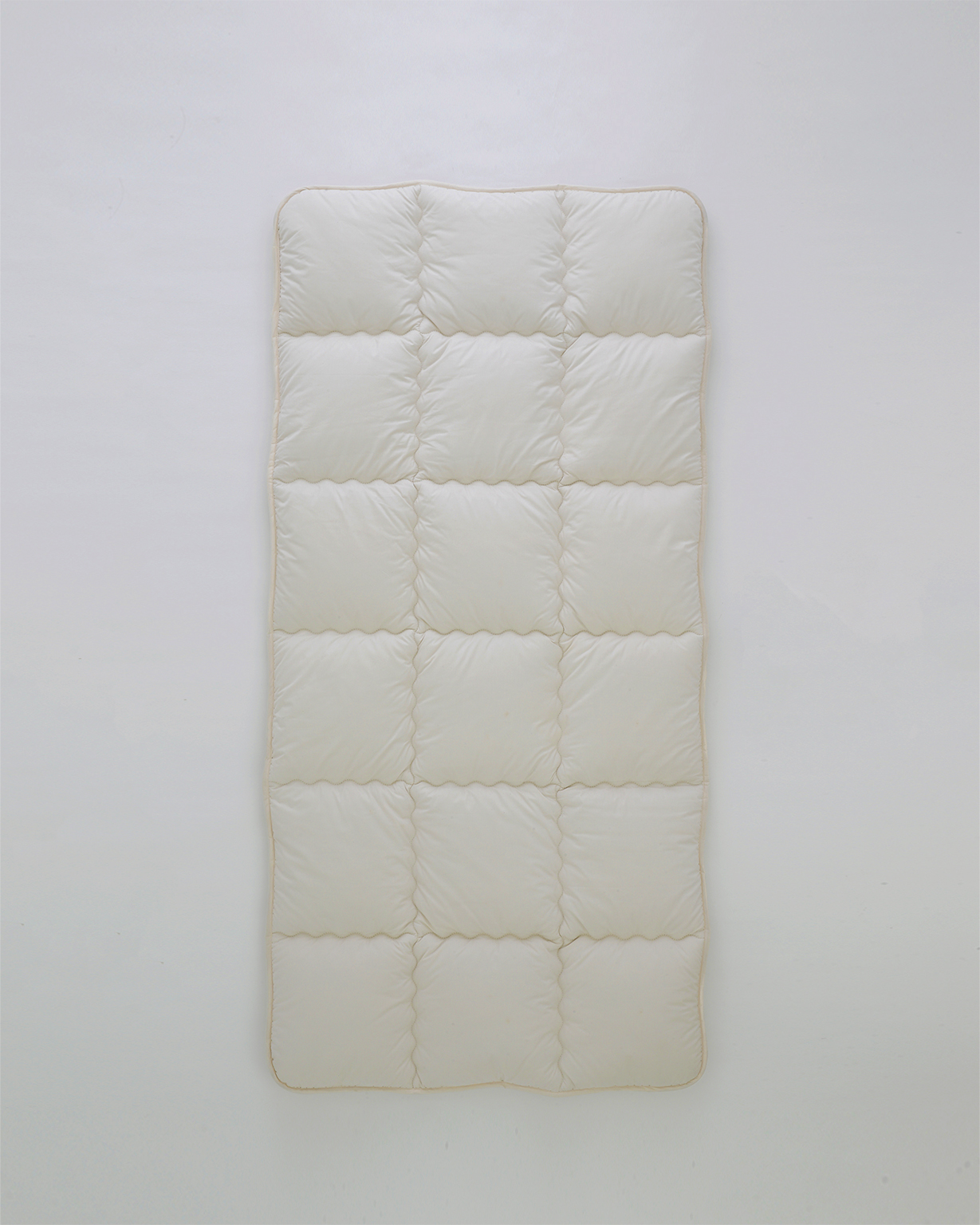
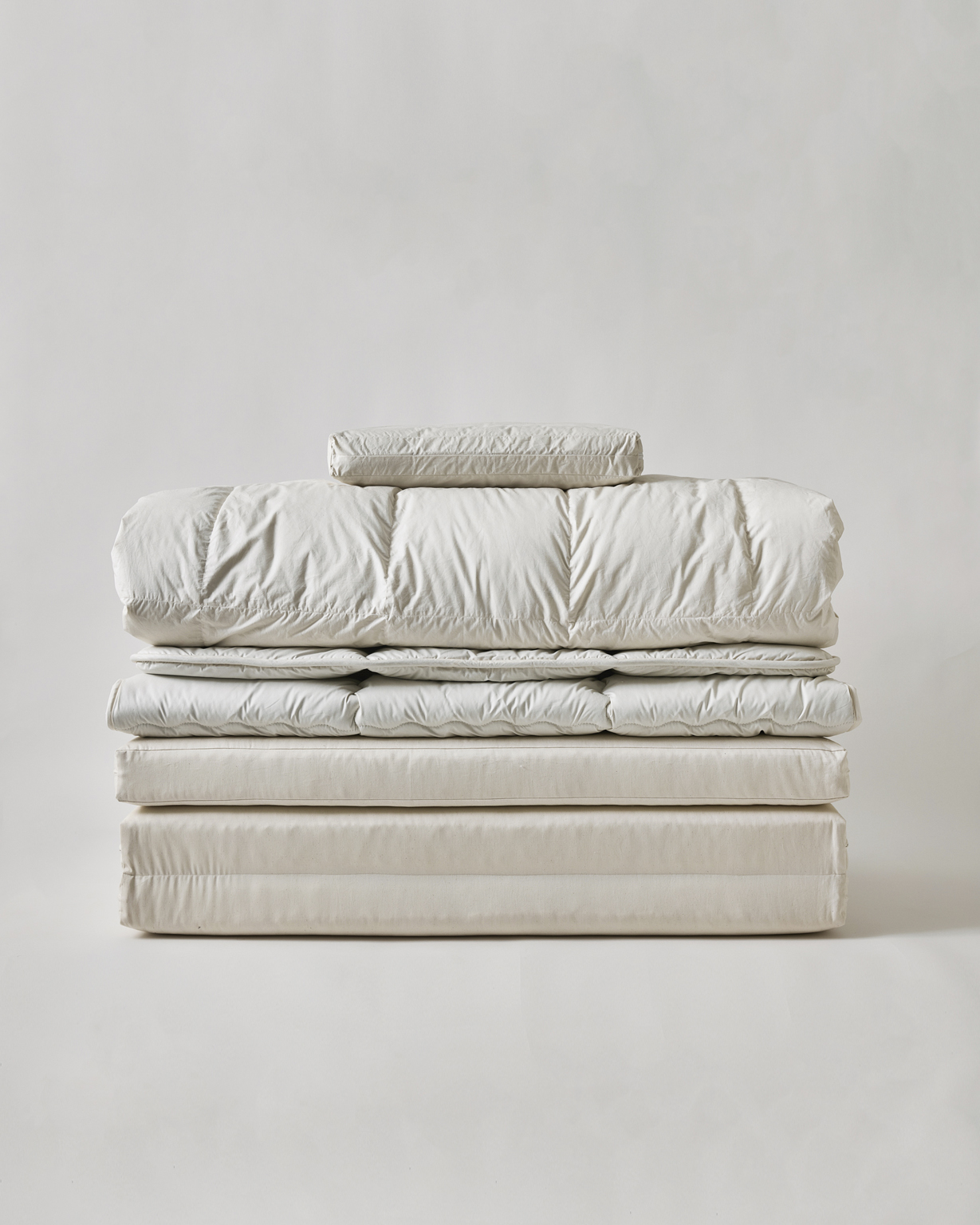
The word “futon” in Japan refers broadly to bedding, not a single foldable object as it is often understood outside of Japan. The system is simple. At its core, the traditional Nezen Japanese futon setup comes down to two main elements that form the foundation layers: the Futon Floor Pad which goes on the floor, providing support and insulation, and the sleeping surface – the Camel Hair Mattress Pad, which is a mattress pad layered on top, providing support, softness and comfort. From there, the rest follows more familiarly: Duvets, Pillows and Sheets. In Japan, futons are often folded and stored away each morning so rooms can shift in purpose, but in practice, many people leave them out and we’ve found ourselves often doing the same.
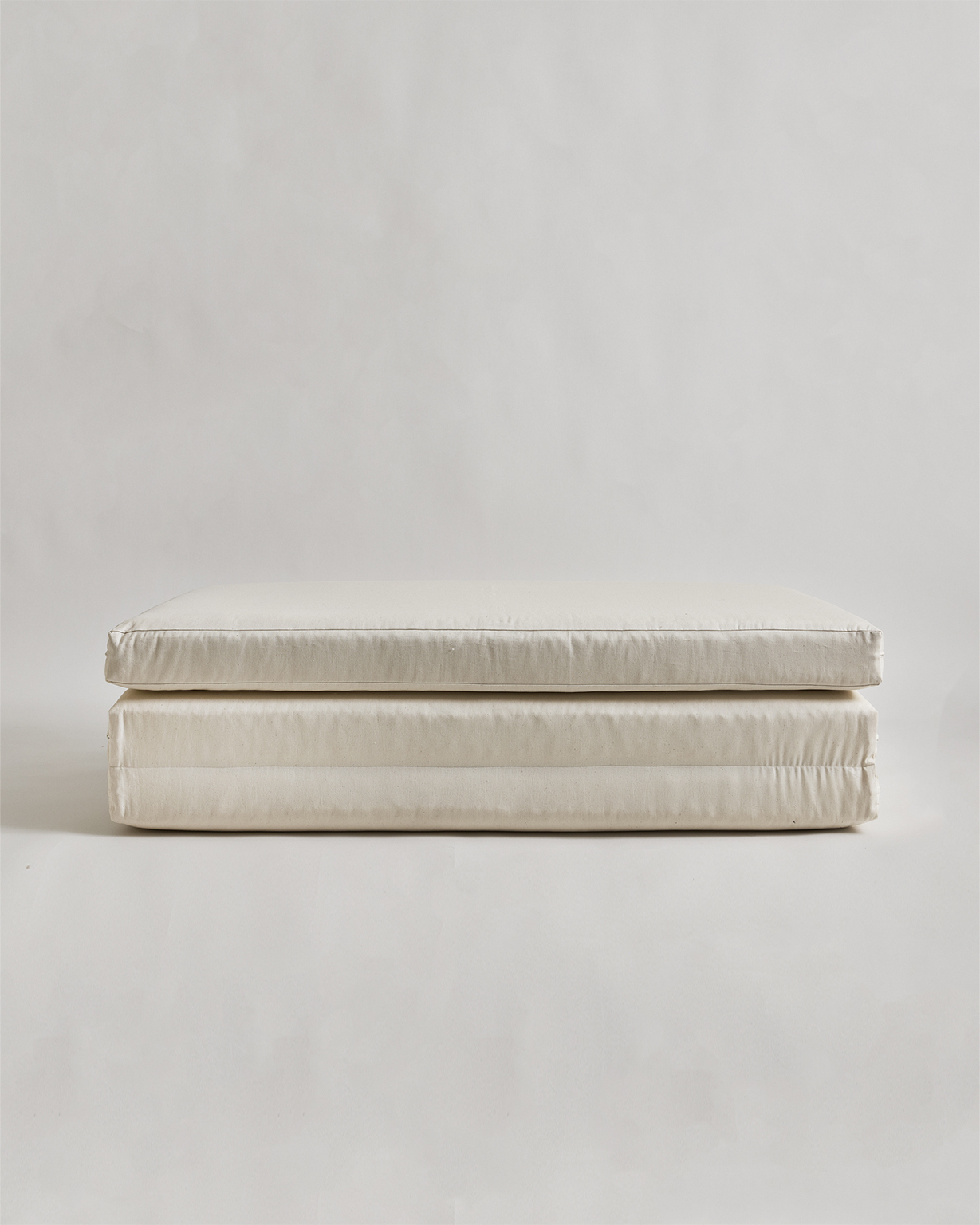
The Futon Floor Pad sits directly on the ground, traditionally on tatami, and a mattress pad is placed on top. Historically, the pads have been produced at around 7cm, intended for use on tatami, which has a natural cushiony give. In modern or Western environments, where floors are typically harder, such as wood or tile, that same thickness can feel insufficient, so after living with the 7cm pad ourselves, we worked with Iwata to develop a 10cm version that can be used more comfortably across a wider range of spaces.
At 10cm, the futon can be placed directly on most floors without requiring additional layers. The adjustment is simple, but makes the system more usable in a different context outside of tatami.
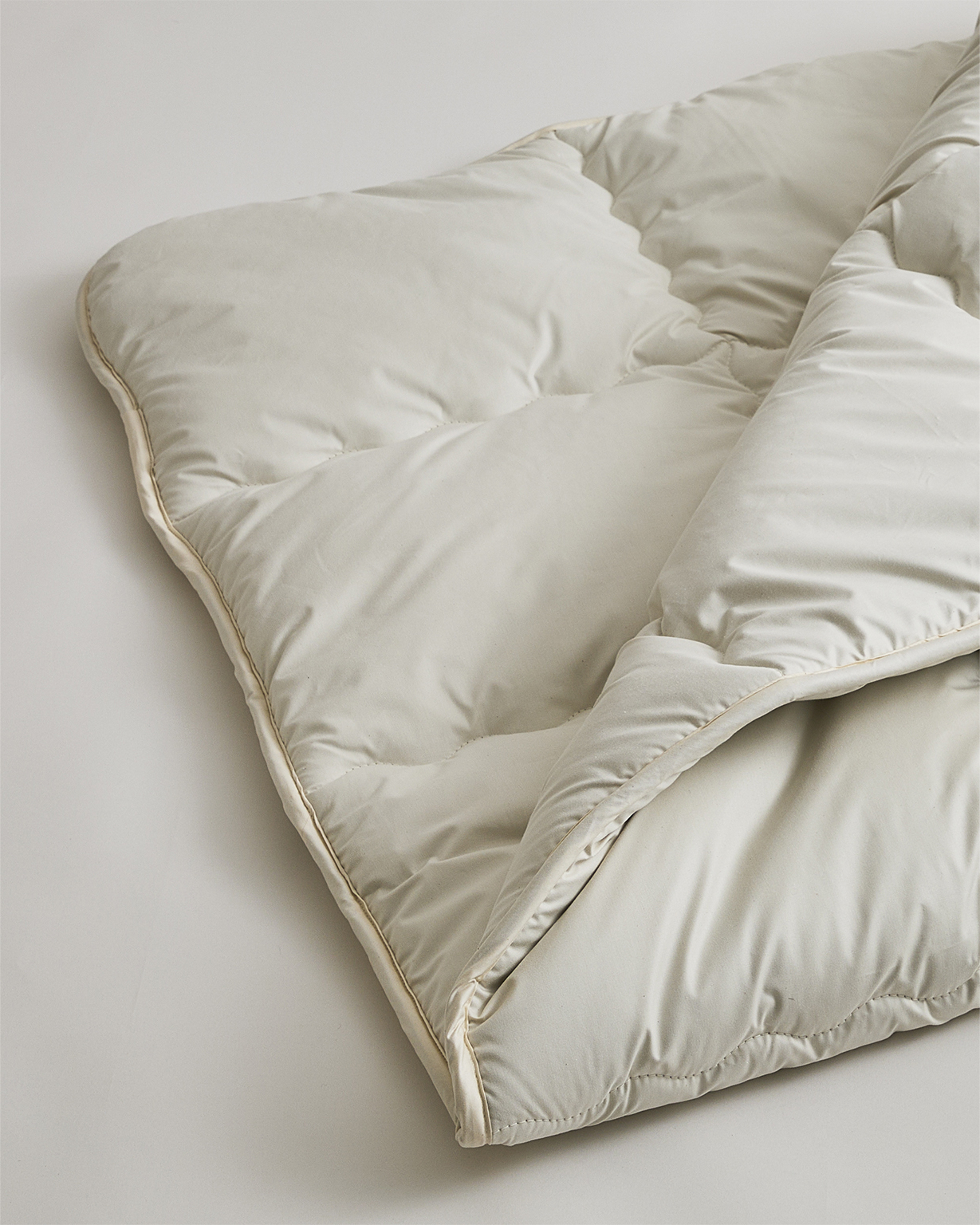
Next is the mattress layer. In Iwata’s case, their most notable mattress layer is the Camel Hair Mattress Pad. This is the piece the body rests on directly, and the camel hair is what makes it special, primarily for its stability and temperature control. What’s nice about it is that it doesn’t feel overly soft or overly firm. It supports the body without being too soft, and over time you start to notice how consistent it feels night to night. It’s a simple piece, but it’s also the one that defines how the whole setup feels. It is also available in US standard mattress sizes so it can also be used as a mattress topper on a traditional bed to alter the feel of an existing mattress without the expense of buying a new one.
These foundation layers are offered in two sizes for the futon setup. For one person, we recommend the Single size, but for a larger sleep surface or to comfortably fit two people, we recommend either the Semi-Double size (for a cozier fit) or placing two Single futon setups side by side.
From there, the rest of the bedding follows more familiar decisions…
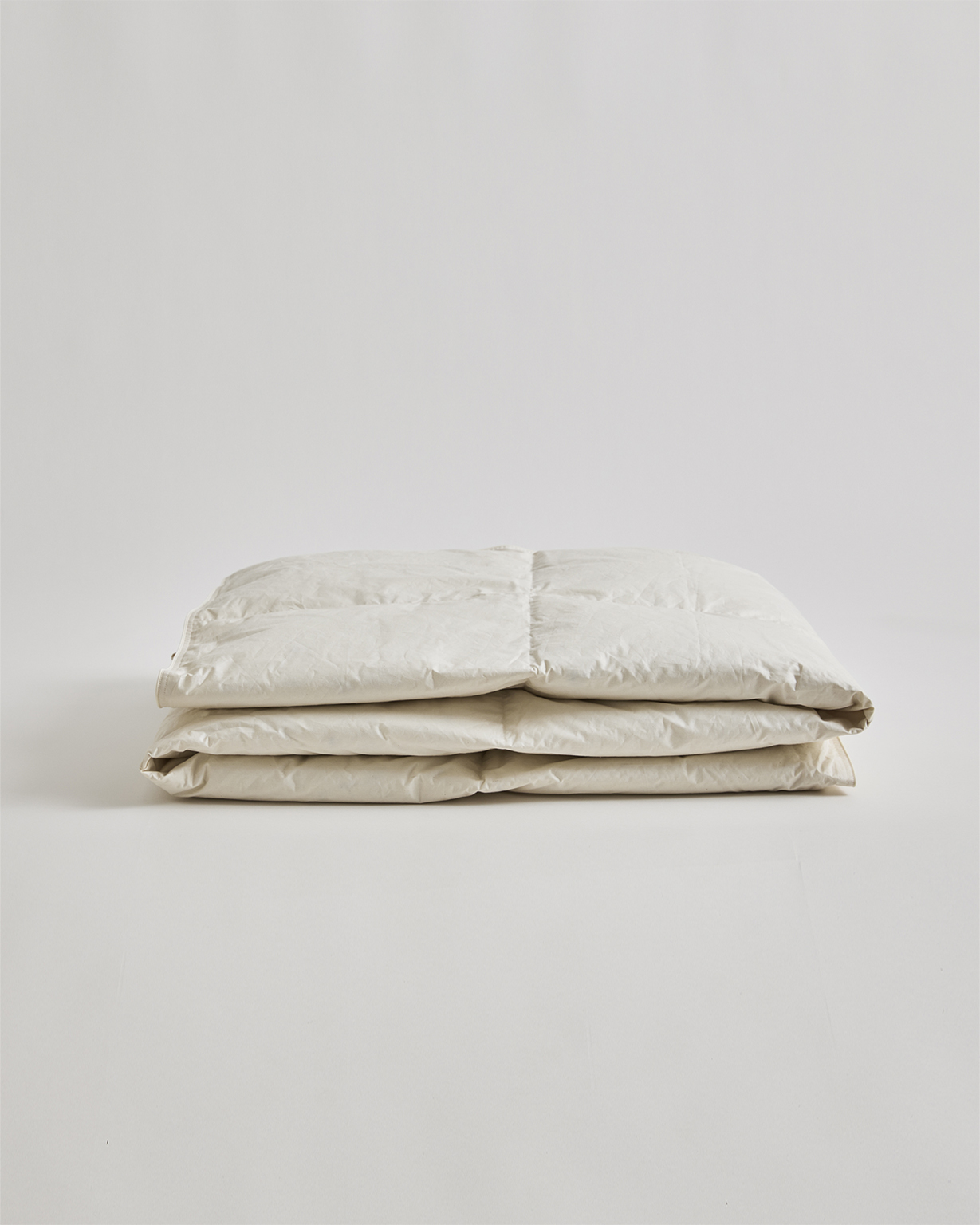
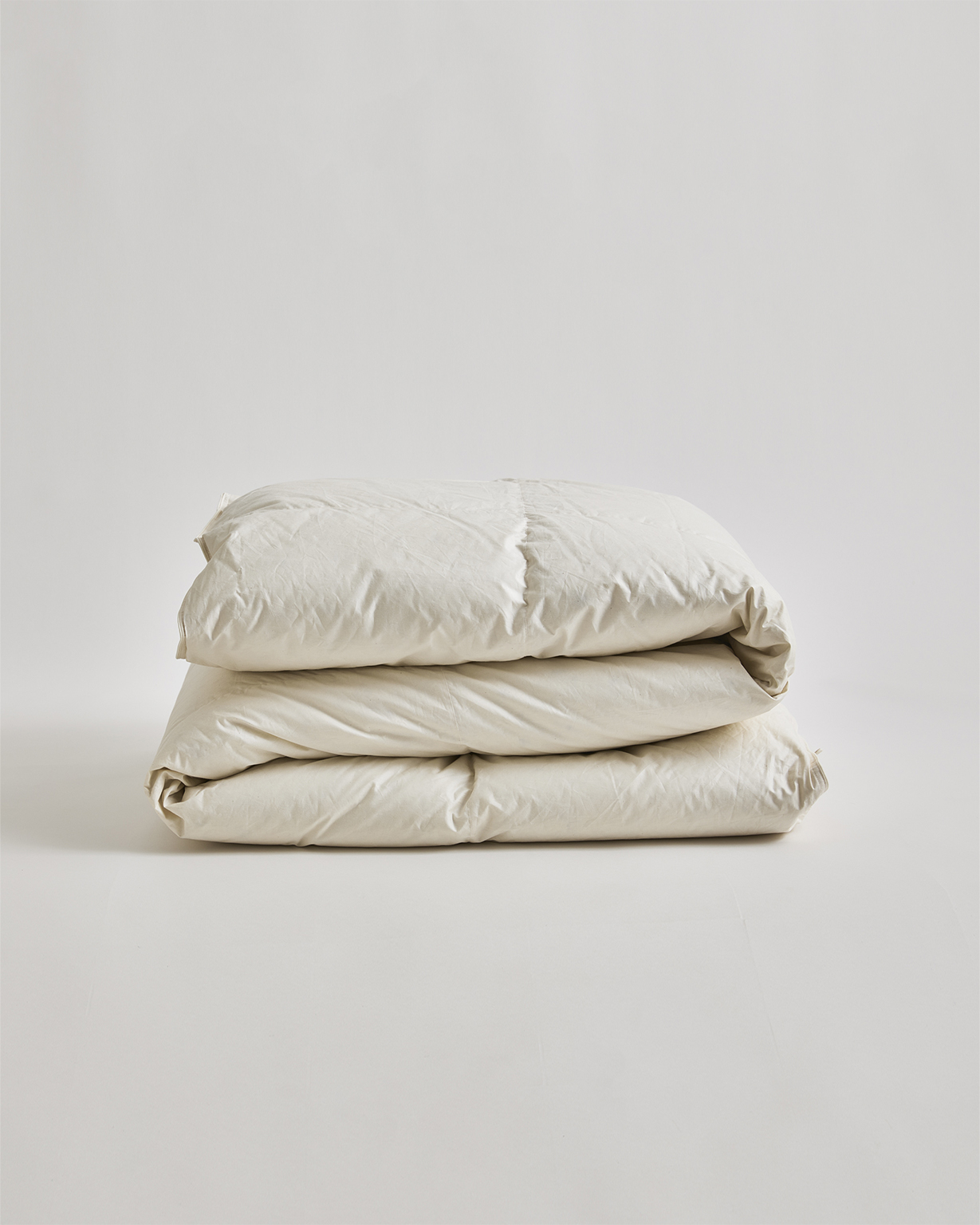
Duvets are chosen based on how you live and the conditions of your home, from Light, Medium to Heavy. We personally live with the Medium that can be used for all seasons rather than switching between winter and summer options. The light is great in hotter months so we often consider it as the “Summer duvet”, while the Heavy is quite lofty and ideal for cooler bedrooms.
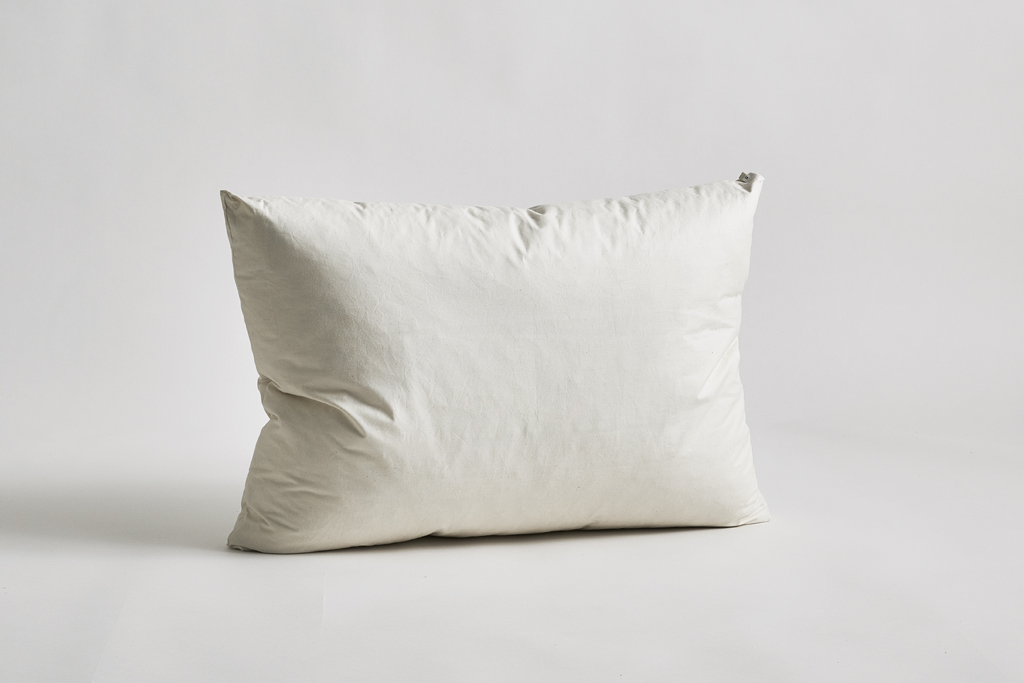
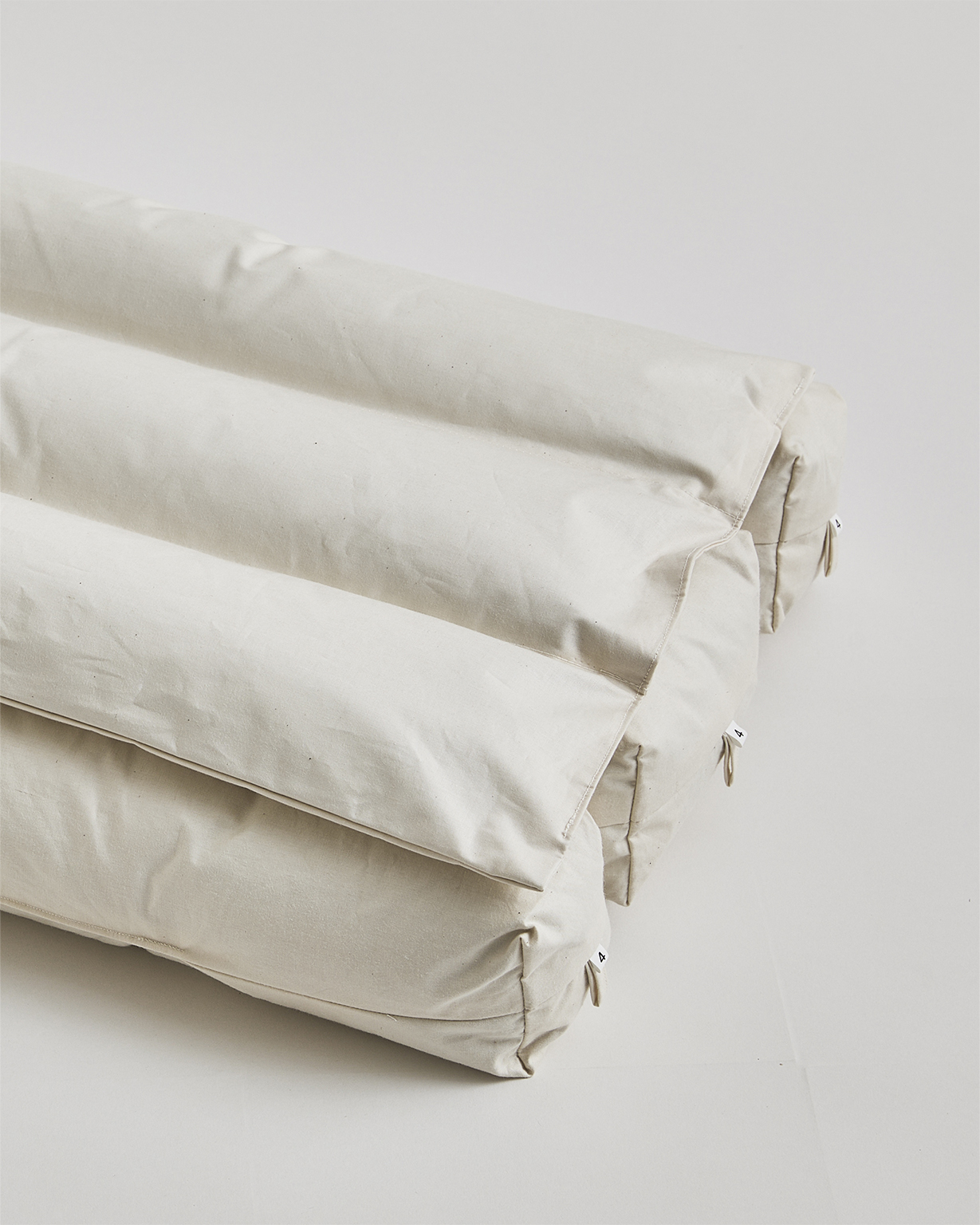
Pillows come down to preference. The Camel Hair Pillow or Feather and Down Pillow, each offer a different level of softness and support, and it depends on how you sleep. We love how straightforward the camel hair pillow is… just natural materials that stay comfortable through the night without building up heat, especially in the summer. And what’s really great about it is how it is built in layers, with one layer you can remove completely for a flatter pillow if needed. It works especially well for those who prefer a lower pillow, or back sleepers.


The Down and Feather Pillow is softer, fuller, and more plush than the Camel Hair Pillow. What’s great about it, is that it is built in three layers. The center is filled with feather to give the pillow structure and support, while the top and bottom layers are filled with down, which softens the feeling around the head and neck. So you get that luxe “sink-in feeling” from a traditional hotel pillow without totally sinking into the pillow.
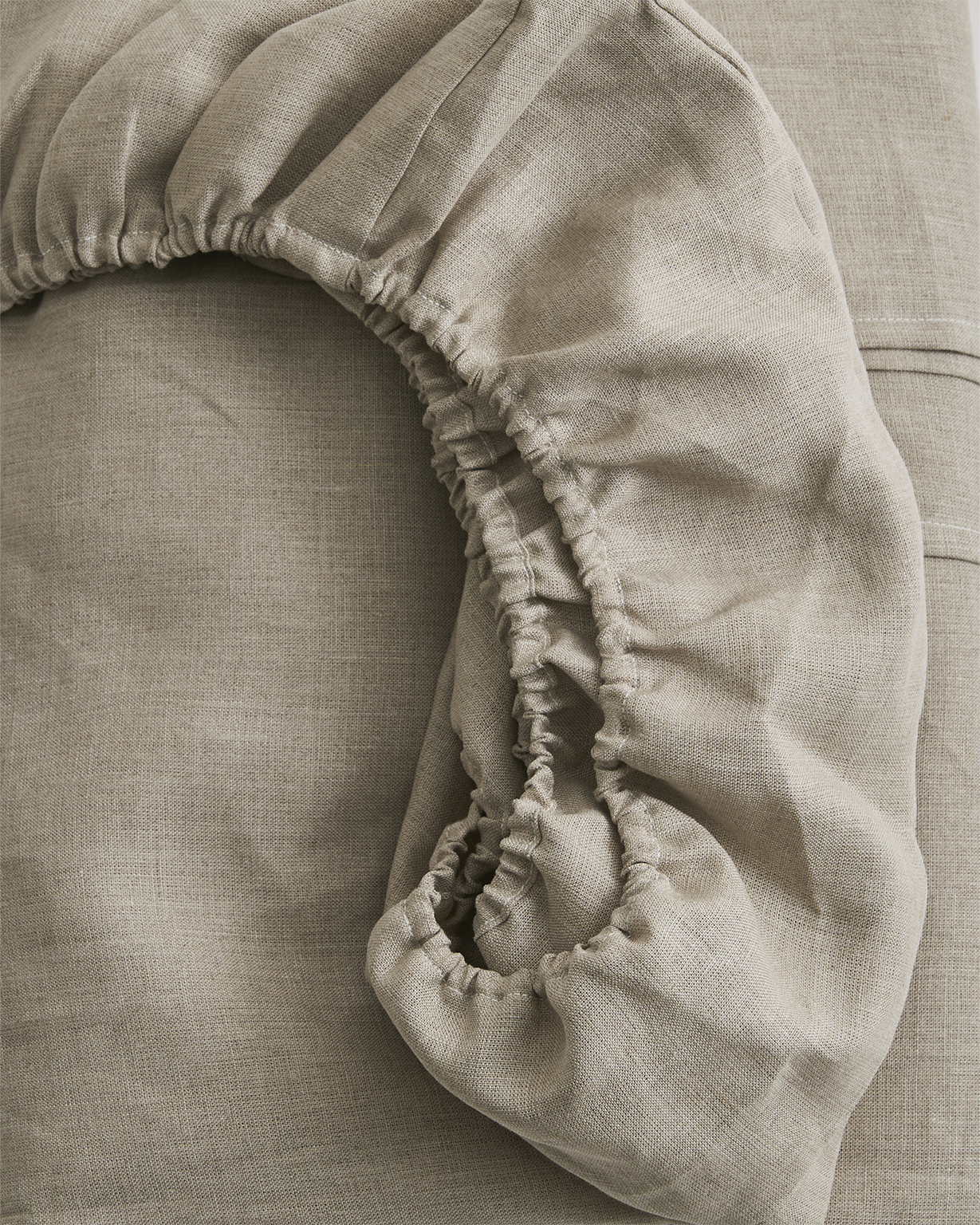
Lastly, sheets are the outer layer that bring everything together. These include the Fitted Sheet, Flat Sheet, Duvet Cover and Pillow Case. There are two types: Unbleached Linen or Cotton. A standard Flat Sheet can be used to wrap the Futon Floor Pad, though it is not necessary and the pad may be used directly on the floor without one. For the Camel Hair Mattress Pad, we recommend using a Linen or Cotton Fitted Sheet designed specifically for its shape and construction which can be found in Unbleached Linen or Cotton.
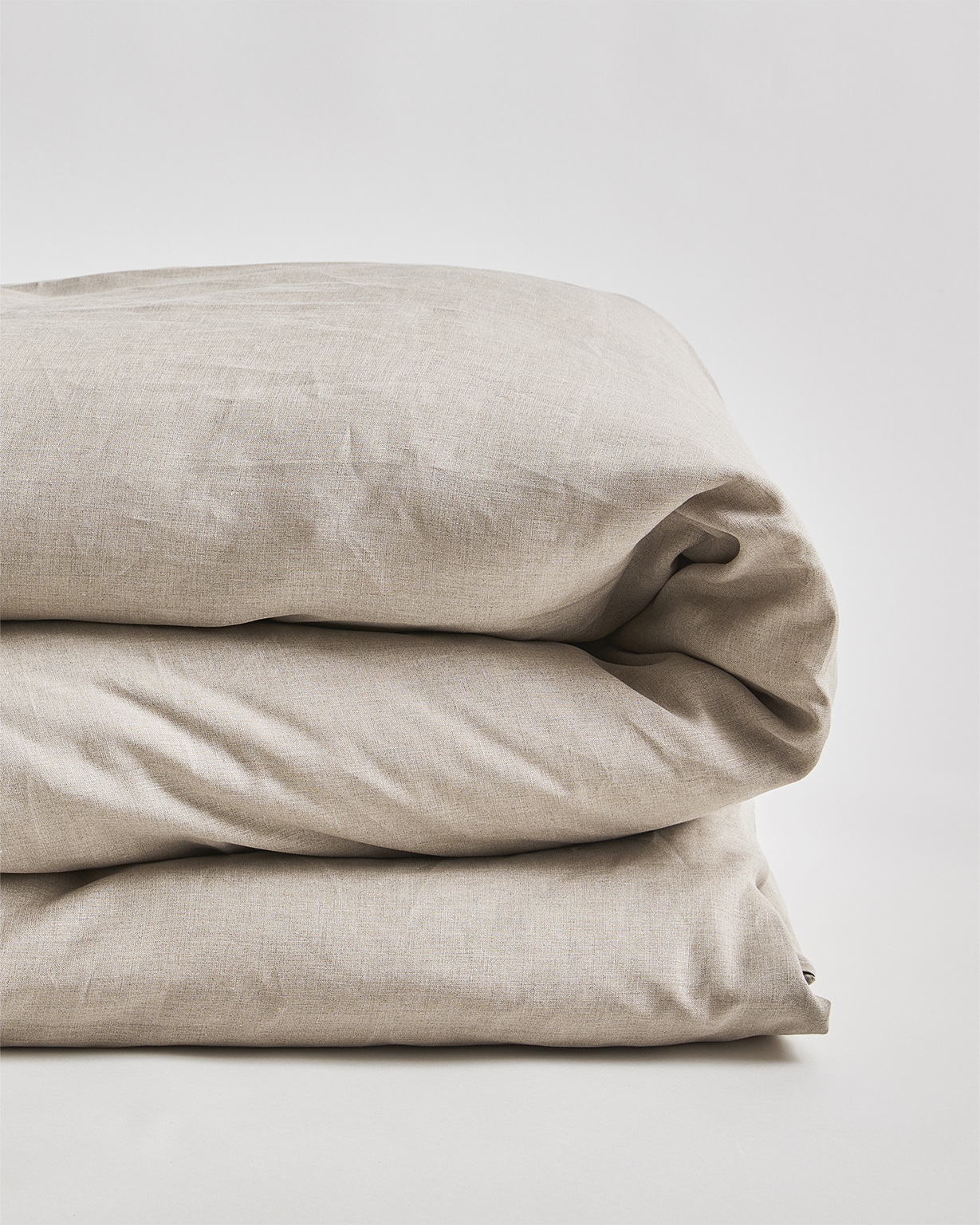
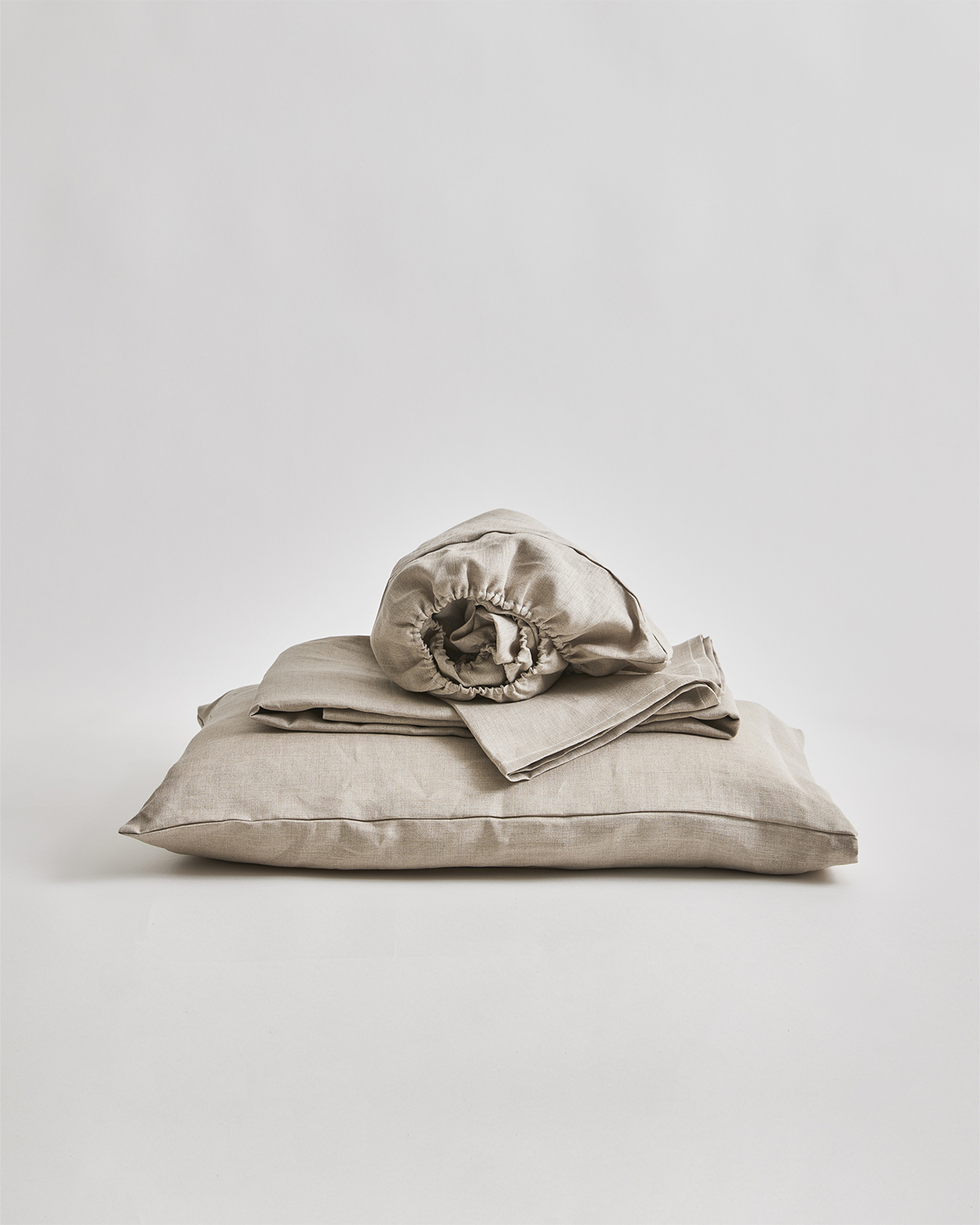
The Unbleached Linen Sheets are linen at its purest, without unnecessary dyeing, bleaching or treatment. We love how they get softer over time and feel dry against the skin. They are offered as a Sheets Set, or individually.
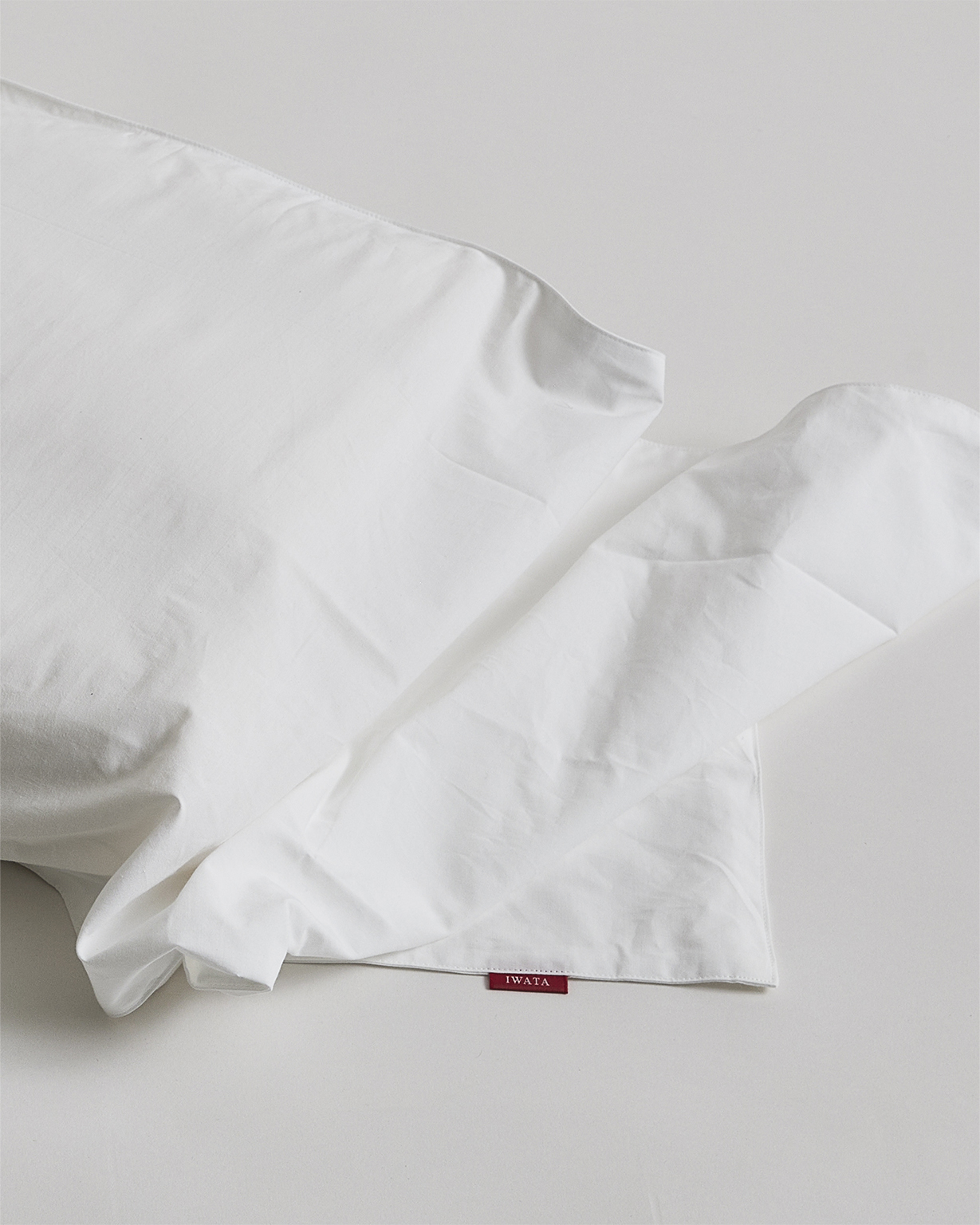
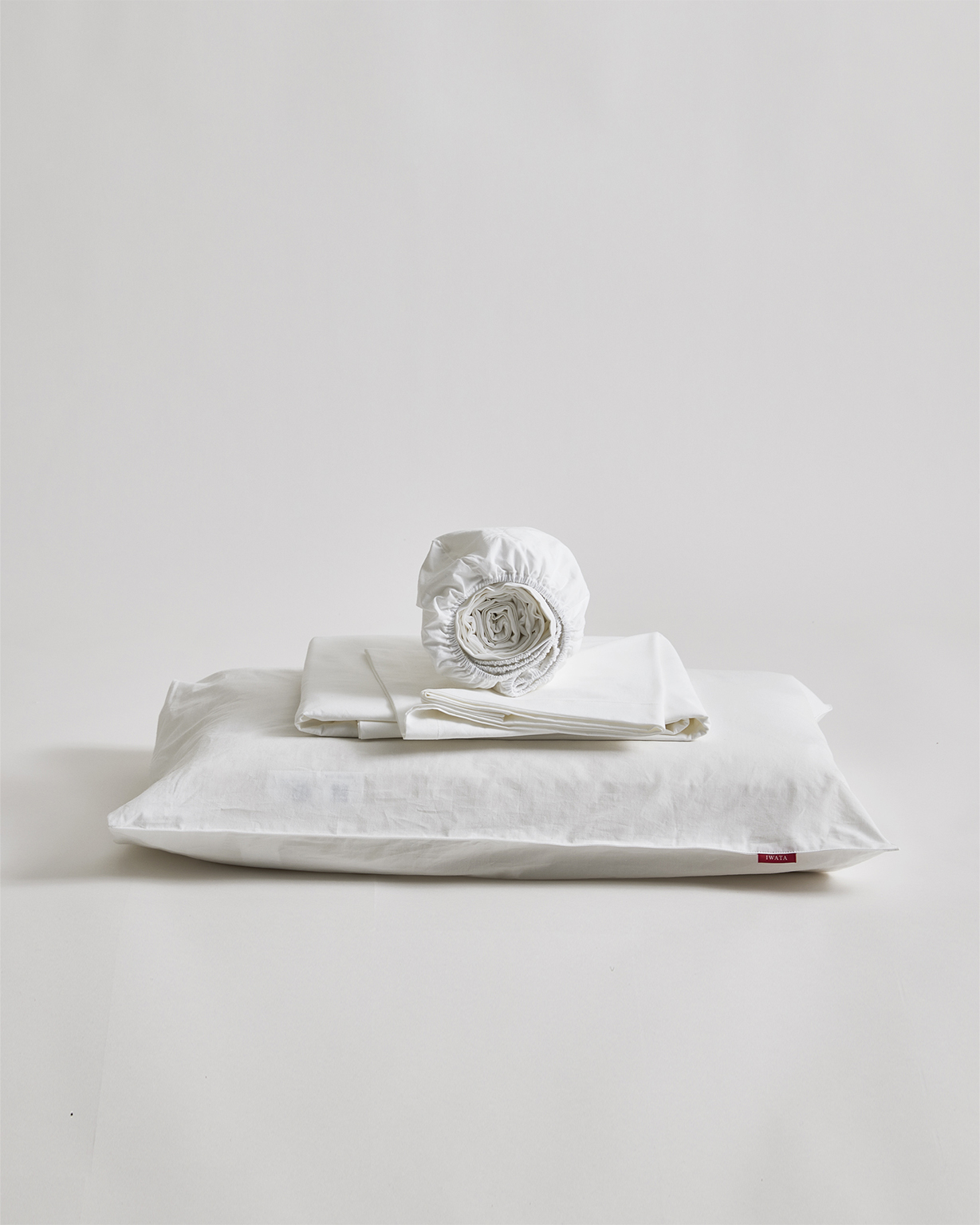
The Cotton Sheets are smoother, a bit more structured, and have a light crispness that feels cool against the skin. Over time they soften without losing that clean feeling. They are also offered as Sheets Set, or individually.
The Unbleached Duvet Covers can be found here. The Cotton Duvet Covers can be found here.
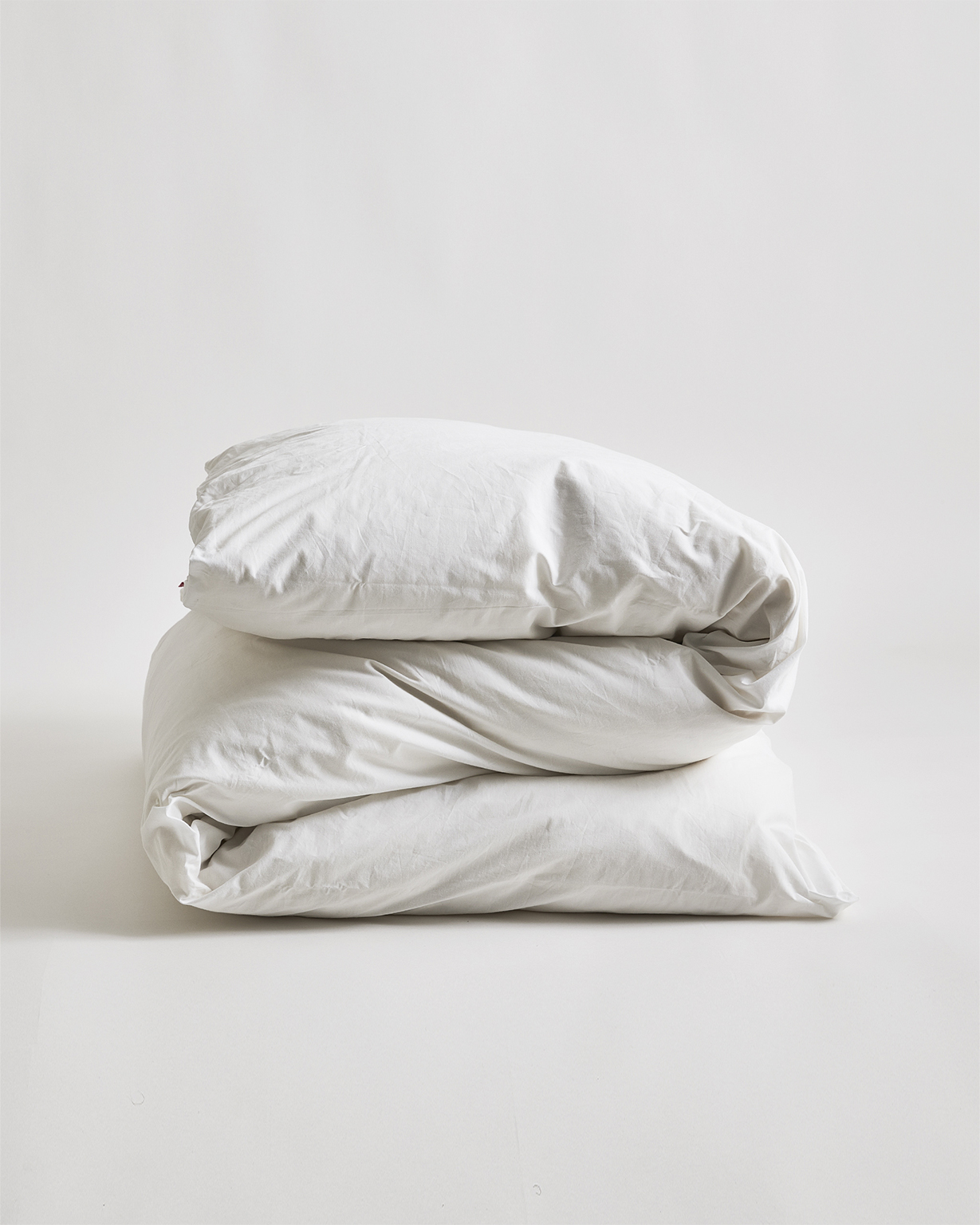
Bedding is difficult to understand without experiencing it directly, so if you are unable to visit our exhibition or gallery, we hope this offers a clearer picture of how the system works and what makes Iwata’s approach distinct. To make it easier to select, we curated what we feel is the most complete bundle of these elements, which can be found here: Futon Bundle.
After quite some time living with this system ourselves, it’s become something we rely on, and we’re excited to share it!
The full collection can be viewed here.

May 20, 2026
Shop the Collection

Futon Bundle
Nezen for IwataI am a Futon Bundle. Everything stacked neatly together, just as it should be. Fold me away in the morning or leave me be, but either way, bundle up, sleep tight, repeat.
Starting at $2,500 USD
Futon Floor Pad
Nezen for IwataI am a Futon Floor Pad. I sit closest to the ground. Made slightly thicker, so I can handle the floors we live on and form the foundation of your sleep.
Starting at $1,750 USD
Camel Hair Mattress Pad
Nezen for IwataI am Camel Hair Mattress Pad. I come from what the desert lets go. Filled with naturally shed camel hair, I hold warmth, release what I don’t need, and settle the body through the night.
Starting at $1,100 USD
Unbleached Duvet - Light
Nezen for IwataI am an Unbleached Light Duvet. A thin layer, easy to keep. Enough most nights, and stored away with the wind when you don’t need me.
Starting at $525 USD
Unbleached Duvet - Medium
Nezen for IwataI am an Unbleached Medium Duvet. I stay on the bed. Through most of the year, I tend to be the one that works.
Starting at $725 USD
Unbleached Duvet - Heavy
Nezen for IwataI am an Unbleached Heavy Duvet. I hold more. Full, soft, and the one you notice when you get in.
Starting at $850 USD
Pillow - Down and Feather
Nezen for IwataI am a Down & Feather Pillow. I feel familiar. With my three layers, I'm soft, full, and made to hold my shape, just enough to let your rest take flight.
$340 USD
Pillow - Camel Hair
Nezen for IwataI am a Camel Hair Pillow. Desert-tested, but made for sleep. Layered so you can keep it just how you like it.
$225 USD
Unbleached Linen Sheet Set
Nezen for IwataI am an Unbleached Linen Sheet Set. All bundled together and ready for bed. A little wrinkled, a little airy, exactly how linen should be.
Starting at $475 USD
Unbleached Linen Sheets
Nezen for IwataI am Unbleached Linen Sheets. I begin crisp and get better from there. Dry, breathable, cool to the touch, and made for warmer nights.
Starting at $70 USD
Cotton Sheet Set
IwataI am a Cotton Sheet Set. Freshly made, neatly bundled, and suspiciously good at convincing you to stay in bed longer.
Starting at $345 USD
Cotton Sheets
IwataI am Cotton Sheets. I stay crisp. Smooth, cool, and hard to beat fresh out of the wash.
Starting at $55 USD
Duvet Cover - Unbleached Linen
Nezen for IwataI am Unbleached Linen Duvet Cover. I am an Unbleached Linen Duvet Cover. A little less polished, a little more slept in, just how linen tends to get better.
Starting at $280 USD
Duvet Cover - Cotton
IwataI am Cotton Duvet Cover. Fresh sheets energy, but for the whole duvet. Crisp at first, softer every night after.
Starting at $180 USDRelated Entries
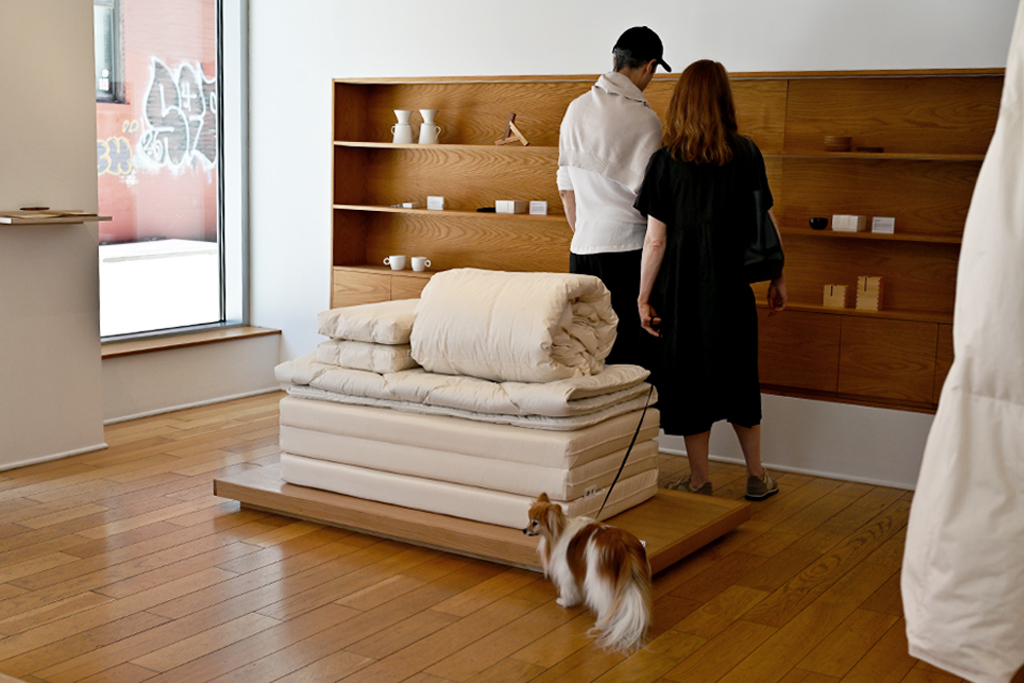
Nezen | Exhibition Recap
The way we’ve set up our bed at home shifted after our second child. We found ourselves wanting to be closer to the ground during those early days. Something easier to adapt with, where getting in and out didn’t feel fixed, and where the kids could come and go freely. We also wanted a setup that could move with…
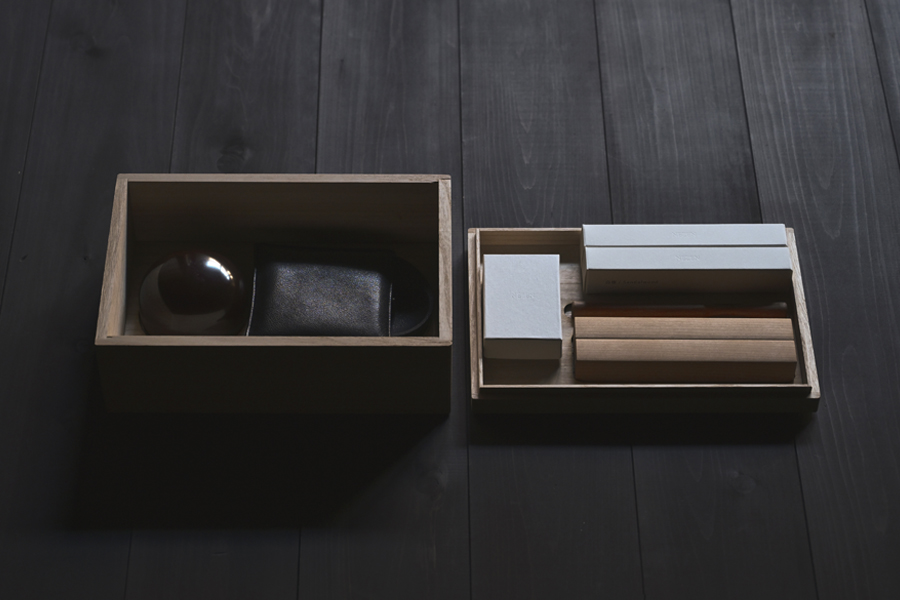
The Philosophy of Nezen
The way we’ve set up our bed at home shifted after our second child. We found ourselves wanting to be closer to the ground during those early days. Something easier to adapt with, where getting in and out didn’t feel fixed, and where the kids could come and go freely. We also wanted a setup that could move with…

At Home with Ryuji Mitani – Containers for Daily Life
The way we’ve set up our bed at home shifted after our second child. We found ourselves wanting to be closer to the ground during those early days. Something easier to adapt with, where getting in and out didn’t feel fixed, and where the kids could come and go freely. We also wanted a setup that could move with…